
Blog
Land for Sale in Grande Prairie, AB: Buyer’s Guide
Buying land in Grande Prairie AB requires a different level of due diligence than purchasing a home or a commercial building. Zoning, servicing, access, and financing conditions all work differently when there's no structure on the property. This guide walks through what prospective buyers need to understand before they make an offer on any vacant land, acreage, or development lot in the Grande Prairie region.
Land Purchases Look Simple. They Rarely Are.
There's a particular kind of appeal to buying land. No tenants, no aging infrastructure, no condo fees or boards. Just ground, sky, and the potential of what you decide to do with it.
That appeal is real, but so is the complexity that comes with it. Land purchases in Grande Prairie and the surrounding region involve a different set of questions than any other type of real estate transaction. The answers to those questions, around zoning, utilities, access, and financing, determine whether a parcel is genuinely valuable or a prolonged and expensive problem.
Whether you're looking at residential acreages, agricultural parcels, commercial development lots, or raw land held for long-term appreciation, understanding the fundamentals before you make an offer protects you and positions you to act with confidence when the right opportunity comes up.
You can browse current land and acreage listings in the Grande Prairie area to get a current picture of what's on the market while you work through this guide.
The Different Types of Land for Sale in Grande Prairie, AB
Not all land is the same, and the category you're buying into shapes every part of the transaction, from what you can legally do with the property to how you'll finance it.
Residential Acreages
Residential acreages sit outside city boundaries, typically within the County of Grande Prairie or adjacent municipalities. They offer space, privacy, and a rural lifestyle while keeping buyers within a reasonable distance of Grande Prairie's amenities and services. These parcels are popular with families wanting room to grow, hobby farmers, and buyers who want to build a custom home on their own terms.
Agricultural Land
Agricultural parcels in the Grande Prairie region can range from small quarter sections to large farming operations. Buyers looking at agricultural land need to understand soil classification, existing drainage infrastructure, water access, and any existing lease agreements with farm operators. Financing for agricultural land follows different rules than residential or commercial, with specific lender products designed for this asset class.
Commercial and Industrial Development Lots
Grande Prairie's growth has created ongoing demand for serviced commercial and industrial lots, particularly in areas with good highway access and proximity to the city's business corridors. These parcels appeal to developers, investors holding land for appreciation, and businesses wanting to own the ground their future facility will sit on.
Residential Infill and Subdivision Lots
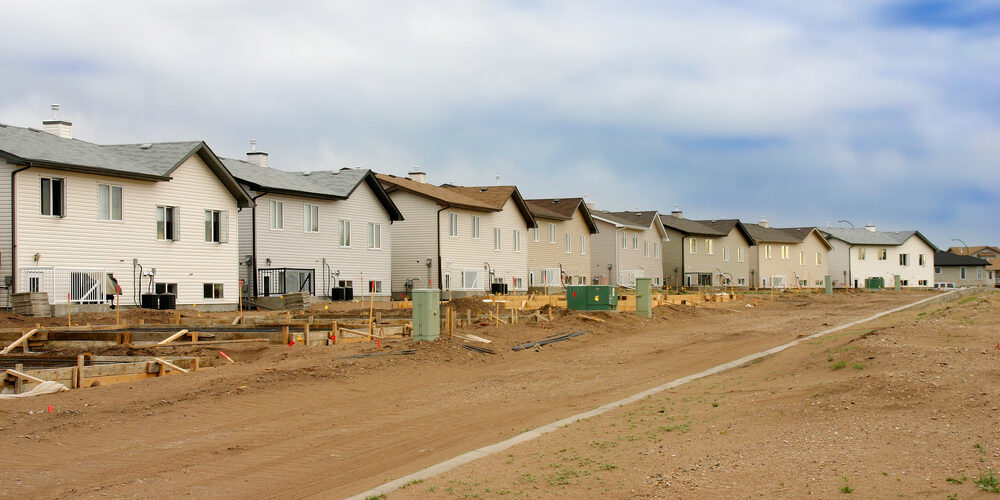
Within the city of Grande Prairie, infill lots and lots in new residential subdivisions offer buyers the ability to build new without leaving the city. These are typically fully serviced or close to it, which simplifies the development process compared to rural parcels.
If you're not certain which land category matches your goals, our real estate team in Grande Prairie can help you narrow down the options based on your timeline, budget, and intended use.
What Due Diligence Looks Like When Buying Land
Due diligence on a land purchase covers more ground than many buyers expect, especially buyers who've previously purchased homes and assume the process is similar. It isn't.
Zoning and Permitted Use
Zoning determines what you can legally do on a parcel. A piece of land that looks ideal for a commercial development may be zoned agricultural. Land that appears suitable for a residential build may carry restrictions that limit density, structure size, or subdivision potential. Confirm the zoning classification and permitted uses with the relevant municipality before proceeding past the initial offer stage.
Servicing and Utilities
Serviced land has access to water, sewer, electricity, and gas at or near the property boundary. Unserviced land does not, and the cost of bringing those services to a rural parcel can be significant. Understanding what services exist, what's available at the lot line, and what would need to be installed at the buyer's expense is one of the most important parts of evaluating any land purchase.
Road Access and Right-of-Way
Legal access to a parcel is not guaranteed just because you can physically drive to it. Some rural parcels are accessed via road allowances or private roads that don't carry legal right-of-way. A title search will confirm how access is legally established and whether any easements or encumbrances affect how the land can be used or developed.
Environmental Considerations
Agricultural or industrial land may carry environmental history that affects its suitability for development or resale. Environmental site assessments are standard for commercial or industrial parcels and advisable for any land where past use is uncertain. The cost of remediating a contaminated site falls on the current owner.
Survey and Boundary Confirmation
An existing survey confirms the parcel boundaries. If no current survey exists, you may need to commission one, particularly if the boundaries are unclear or if neighbouring land uses suggest potential encroachments. This is especially relevant for rural parcels where fences and physical markers don't always align with the legal description.
Our team has guided buyers through land and acreage transactions across Grande Prairie and its surrounding communities, including Clairmont, Sexsmith, Beaverlodge, Hythe, and the County of Grande Prairie. That experience means we know which questions to ask and where to look before a client commits.
How Financing Works for Land in Grande Prairie
Land financing is one of the areas where buyers most commonly encounter surprises. Standard residential mortgages generally don't apply to vacant land. Lenders treat land as a higher-risk asset because there's no structure to secure the loan against, and land has no income-generating potential in the way a rental property does.
Most lenders require larger down payments on land than on homes, often 35 to 50 percent of the purchase price depending on the land type, location, and intended use. Serviced lots within city limits are typically easier to finance than remote rural parcels. Agricultural land follows its own set of lender criteria, with specific farm credit products available through institutions like Farm Credit Canada.
If you plan to build on the land within a defined timeframe, some lenders will structure financing as a construction loan or land-plus-construction product, which changes the qualifying criteria and repayment structure.
Getting clarity on your financing capacity before you begin making offers on land is strongly recommended. Knowing your parameters protects you from making offers you can't close and helps you evaluate listings against what's actually achievable for your situation.
If you're still forming your picture of what's possible, our guide to buying real estate in Grande Prairie walks through the broader purchase process and how we support buyers from initial search through to possession.
Why Buyers Are Looking at Land in the Grande Prairie Region
Grande Prairie's position as a regional hub in northwest Alberta creates a consistent pool of demand for land across multiple categories. The city serves a large geographic catchment area, drawing business, labour, and services from communities across the Peace Country. That economic role generates demand for commercial and industrial land as businesses grow and expand.
For residential buyers, the appeal of acreage living near a city with a full range of services is significant. Grande Prairie offers hospital and specialist care, post-secondary education through Northwestern Polytechnic, a growing retail and dining scene, and strong recreational infrastructure. Living on a rural parcel within 20 or 30 minutes of all of that is a combination that's difficult to find in many Alberta markets.
The agricultural land base in the Peace Country is productive and well-regarded within Alberta's farming community. Buyers looking at agricultural parcels benefit from a region with strong growing conditions, established farm services infrastructure, and a supportive community of producers.
For investors holding land as a long-term asset, Grande Prairie's trajectory over the past two decades provides relevant context. The city has grown meaningfully, and well-located land in and around the city has moved with that growth. That said, land appreciation is never guaranteed, and buyers should evaluate individual parcels on their specific merits rather than on regional trends alone.
What C.Moore Realty Brings to Your Land Search in Grande Prairie
C.Moore Realty has worked across the full range of real estate transactions in Grande Prairie and the surrounding region since 2016. Our team's experience spans residential homes, commercial properties, and land transactions across the County of Grande Prairie, Greenview MD, and communities including Valleyview, Spirit River, and Rycroft.
Land transactions require a particular kind of local knowledge. The value of a parcel is shaped by factors that don't appear in a listing description: the quality of access roads, the realistic cost of servicing, how neighbouring parcels are used and zoned, and what's happening with development plans in the surrounding area. That context comes from time spent in the market, not from a database search.
Our approach is direct and honest. If a parcel has characteristics that concern us, we'll tell you before you make an offer. If a listing is priced well and meets your criteria, we'll help you move quickly and confidently. We don't manufacture urgency, and we don't advocate for transactions that don't serve your interests.
Over more than 1,000 transactions in the Grande Prairie region, we've built the kind of local network and market knowledge that changes what our clients can access, including properties that haven't yet reached the open market.
Frequently Asked Questions
Invest in Land Wisely. Connect with C.Moore Realty Today.
Land is one of the most straightforward real estate assets to understand conceptually and one of the most complex to purchase well. The gap between what a parcel looks like on a listing sheet and what it actually represents, in terms of permitted use, development potential, servicing cost, and financing options, is where buyers either protect themselves or expose themselves to costly problems.
If you're searching for land for sale in Grande Prairie, AB, starting with clear goals and grounded expectations is more valuable than starting with a list of listings. What do you plan to do with the land? What's your timeline? What financing structure are you working with? The answers to those questions shape which parcels are worth your attention and which aren't.
Ready to start a focused conversation about land in or around Grande Prairie? Connect with our team and get honest, local guidance on what's available and what it's actually worth.
Key Takeaways
- Land for sale in and around Grande Prairie, AB spans residential acreages, agricultural parcels, commercial lots, and city subdivision lots, each with different rules, financing, and development considerations.
- Zoning confirmation is the first due diligence step on any land purchase and determines what you can legally do with the property.
- Servicing status, road access, and environmental history are critical factors that don't always appear in a listing but materially affect value and development cost.
- Land financing requires larger down payments than residential mortgages, often 35 to 50 percent, and follows different lender criteria depending on land type.
- C.Moore Realty's local experience across Grande Prairie and surrounding communities brings the kind of market knowledge that changes how buyers evaluate and act on land opportunities.
- Starting with clear goals and an honest assessment of your financing capacity produces better land purchase outcomes than starting with a list of listings.